ESA Responds to WHO’s Proposed Disorder Classification
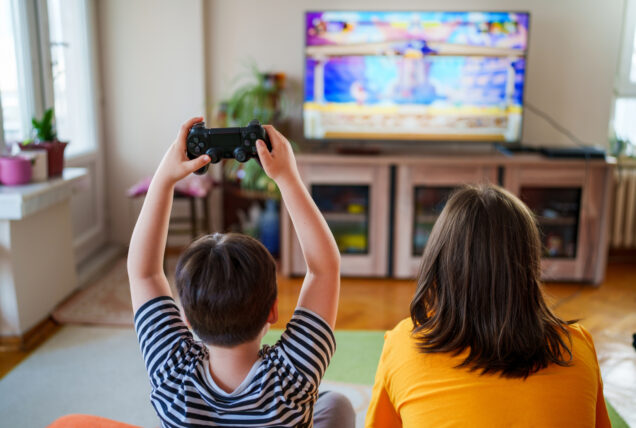
"The World Health Organization knows that common sense and objective research prove video games are not addictive. And, putting that official label on them recklessly trivializes real mental health issues like depression and social anxiety disorder, which deserve treatment and the full attention of the medical community. We strongly encourage the WHO to reverse direction on its proposed action.”
01.05.2018

Lohan and Gravano – ESA Motion for Leave and Amicus Brief
Specifically, ESA seeks to provide information to the Court regarding the expressive nature of video games and to explain to the Court that it should interpret “advertising” and “trade” under Section 51 so as not to cover video games and other expressive works.
12.22.2017
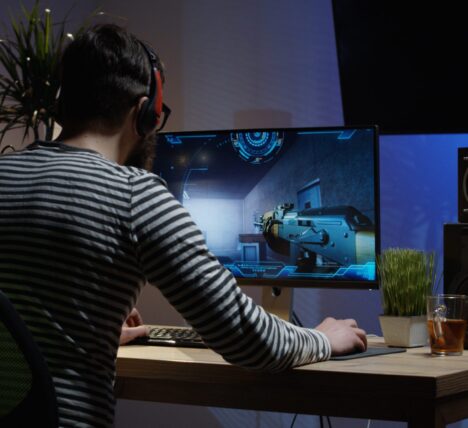
So scary, yet so fun: The role of self-efficacy in enjoyment of a virtual reality horror game
This study uses a VR horror game to explore the relationship between horror self-efficacy, physiological arousal, and fear on enjoyment and future intention to play similar games. The results help shed light on why some individuals enjoy frightening content.
12.06.2017

Ludoliteracy: The Unfinished Business of Media Literacy
This article advocates for the incorporation of digital games and digital gaming into media literacy. An understanding of the place of digital games in society--ludoliteracy--must be taught if we want citizens to have the necessary skill sets to understand, create, analyze and enjoy playful media--a language and experience that permeates modern life.
11.09.2017

Prescribing PlayStation: When Video Games Are Good for Kids
Research demonstrates that video games can have a positive impact on physical and mental health. Playing popular video games improves visual attention, contrast sensitivity, spatial navigation, strategic planning, and fine motor skills in the hands.
10.19.2017

FCC Broadband Definition: ESA Reply Comments
The ESA offers its comments and perspectives on the performance consumers need to access advanced telecommunications capability.
10.07.2017

Pokémon Go: A game changer for the physical inactivity crisis?
Pokémon Go blends a fun smartphone game with real-life, outdoor physical activity. Initial reports suggest it is a successful population level strategy to increase physical activity levels.
08.16.2017

Students’ Experiences of Interdisciplinary Learning while Building Scientific Video Games
This study explores how students experience interdisciplinary learning--specifically game jams, hackathons, and similar group game creation events. These events provide young people with exciting opportunities, foster innovation, and strengthen teamwork skills--all of which are essential to working in industry.
07.20.2017
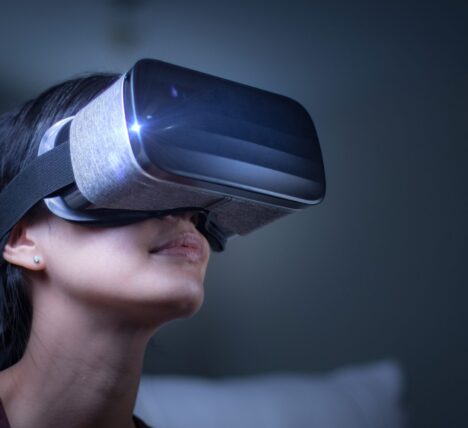
Recent Progress in Virtual Reality Exposure Therapy for Phobias: A Systematic Review
Available evidence about virtual reality exposure therapy (VRET) reveals that virtual reality (VR) is an effective treatment for phobias. VR use will be significantly expanded in routine clinical practice in the future.
06.23.2017
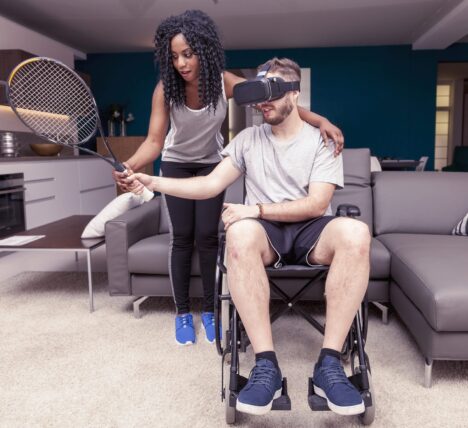
Using Xbox Kinect Motion Capture Technology to Improve Clinical Rehabilitation Outcomes
This study found that Kinect-based VR intervention was effective at improving dynamic balance in individuals with chronic severe traumatic brain injury (TBI). The potential therapeutic applications of commercial VR games are very promising.
05.31.2017
Vigil v. Take-Two Interactive: ESA Amicus Brief
The conclusion requested by the plaintiffs—that a party need not prove any actual damage for alleged minor procedural violations of the Biometric Information Privacy Act (“BIPA”)—would impose severe penalties for insignificant defects in notice and consent that would substantially chill innovation with respect to certain personalization features preferred and enjoyed by a vast number of users.
05.24.2017
Active Video Gaming Compared to Treadmill Walking and TV Watching in Obese Children and Adolescents
This study found that active video games (AVG) were effective at increasing energy expenditure and activity levels in children and adolescents with obesity. Active video games can be a therapeutic tool to improve cardiovascular fitness, muscular strength, and body awareness.
05.18.2017